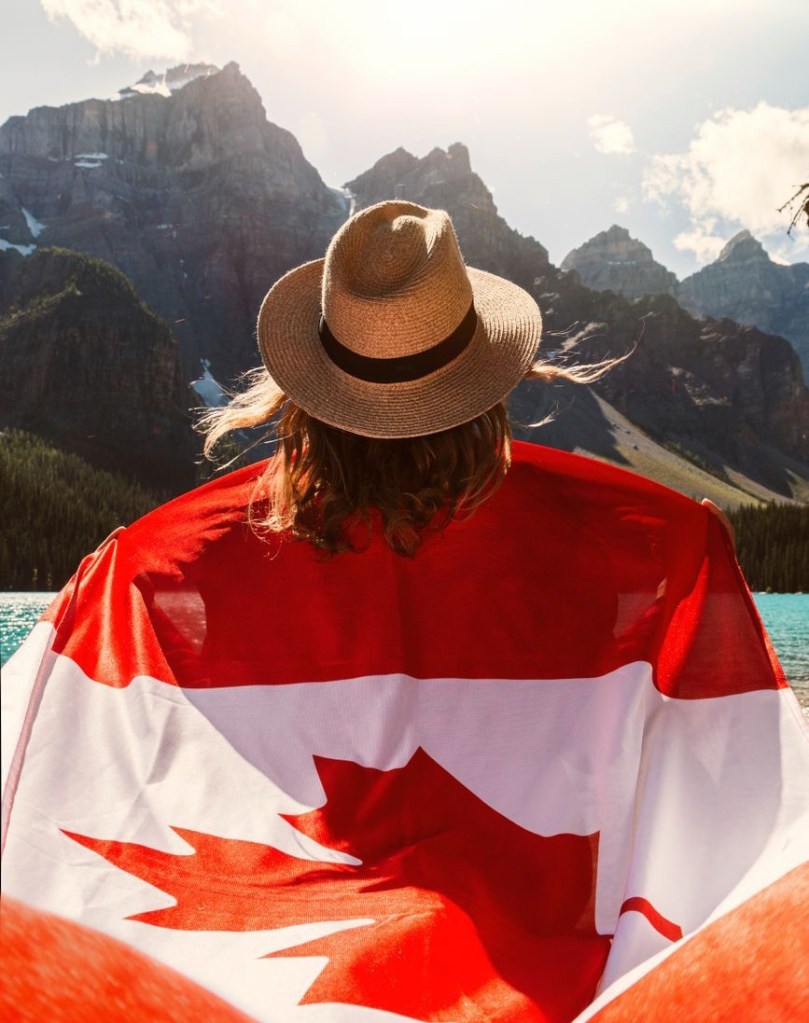
Choosing where to live is one of the biggest decisions you’ll make before your Canada Working Holiday — and it’s harder than it looks. Canada is almost 99 times the size of South Korea, and the cost of living, climate, and tax rates vary dramatically from city to city.
We compared the three most popular destinations for Working Holiday participants — Vancouver, Toronto, and Calgary — across rent, groceries, health insurance, taxes, and climate, based on our own research and decision-making process before our move.
Quick Comparison (updated August 2026)
| Category | Vancouver (BC) | Toronto (ON) | Calgary (AB) |
|---|---|---|---|
| 1-bedroom rent | CAD $2,150–2,400 (down ~4.5% YoY — softest rental market in decades) | CAD $2,000–2,480 (down slightly, ~0.6% YoY) | CAD $1,450–1,800 (down ~4.5% YoY, but still Canada’s most affordable major city) |
| Monthly transit pass | CAD $100–200 | CAD $156 | CAD $112 |
| Sales tax | 12% (5% GST + 7% PST) | 13% (HST) | 5% (GST only, no PST) |
| Public health insurance for WH visa holders | MSP — 3-month wait, ~$75/month after | OHIP — usually not eligible, private insurance needed | AHCIP — free enrollment for Working Holiday visa holders |
| Winter climate | Mild, rainy (1–7°C) | Cold, snowy (-15 to -5°C) | Very cold, dry (-20 to -10°C) |
Vancouver
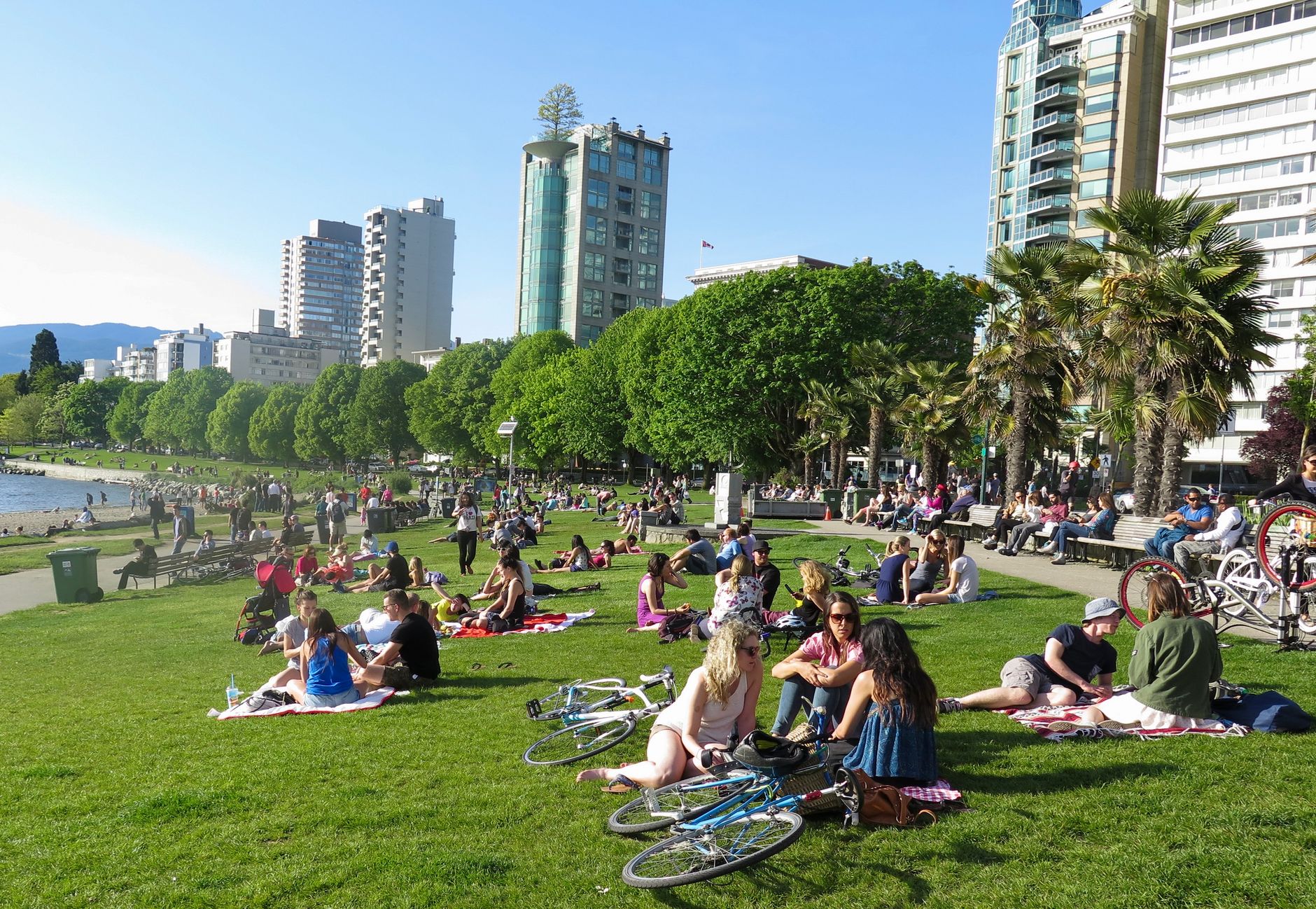
Surrounded by mountains and ocean, Vancouver (British Columbia) is known for its natural scenery, mild oceanic climate, and diverse, multicultural population with a large Asian community.
Climate: Winters are mild with little snow (1–7°C) but frequent rain. Summers are cool and pleasant (16–22°C) with low humidity.
Jobs: Plenty of openings in tourism, hospitality, and restaurants — but competition among Working Holiday participants is high, so your experience really depends on timing and luck.
Cost of living: The highest of the three cities. A 1-bedroom apartment runs CAD $2,000–2,500/month. Groceries are pricier too — milk runs about $2.50/liter, a loaf of bread $3.50–4. Many Working Holiday participants share rooms to manage costs.
Health insurance: The Medical Services Plan (MSP) is available to Working Holiday visa holders, but there’s a 3-month waiting period, and after that it costs about CAD $75/month. You’ll need private insurance to cover that gap.
Best for: People who prioritize nature and a mild climate, and don’t mind paying a premium for it.
Toronto
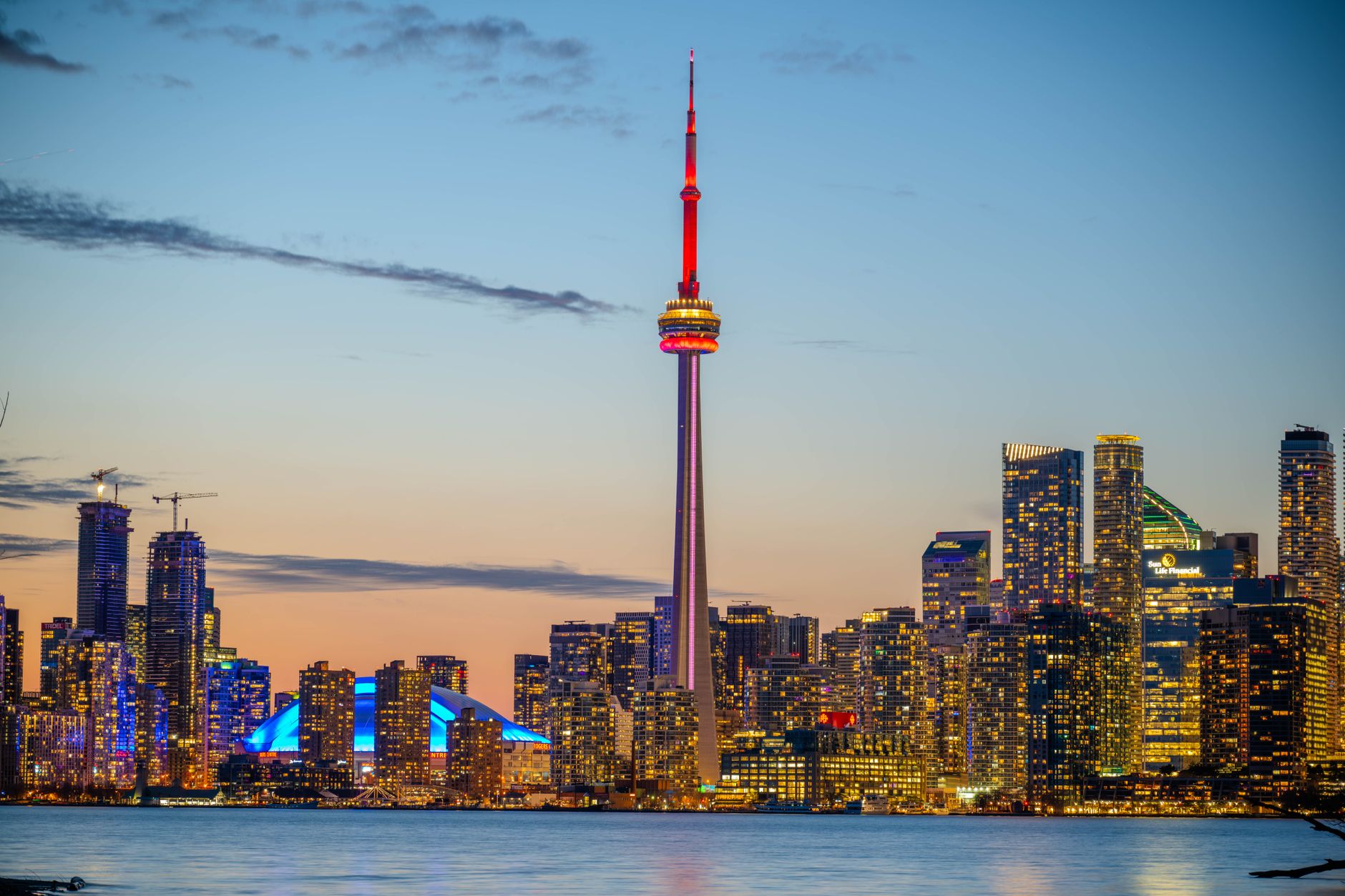
Ontario’s largest city and Canada’s financial, business, and tech hub.
Climate: Winters are harsh (-15 to -5°C) with frequent snow. Summers are hot and humid (20–30°C).
Jobs: A well-established Korean community means Korean-language jobs are more accessible here than elsewhere — but many roles also expect French alongside English, especially in customer-facing positions.
Cost of living: Similarly high to Vancouver. 1-bedroom apartments average CAD $2,000–2,400/month. Milk is about $2.20–2.50/liter, bread $3–4. Monthly transit (TTC) costs about CAD $156.
Health insurance: OHIP generally does not cover Working Holiday participants, so private insurance is required — expect CAD $50–150/month.
Best for: People who want an urban lifestyle, career networking opportunities, and don’t mind extreme seasonal weather swings.
Calgary
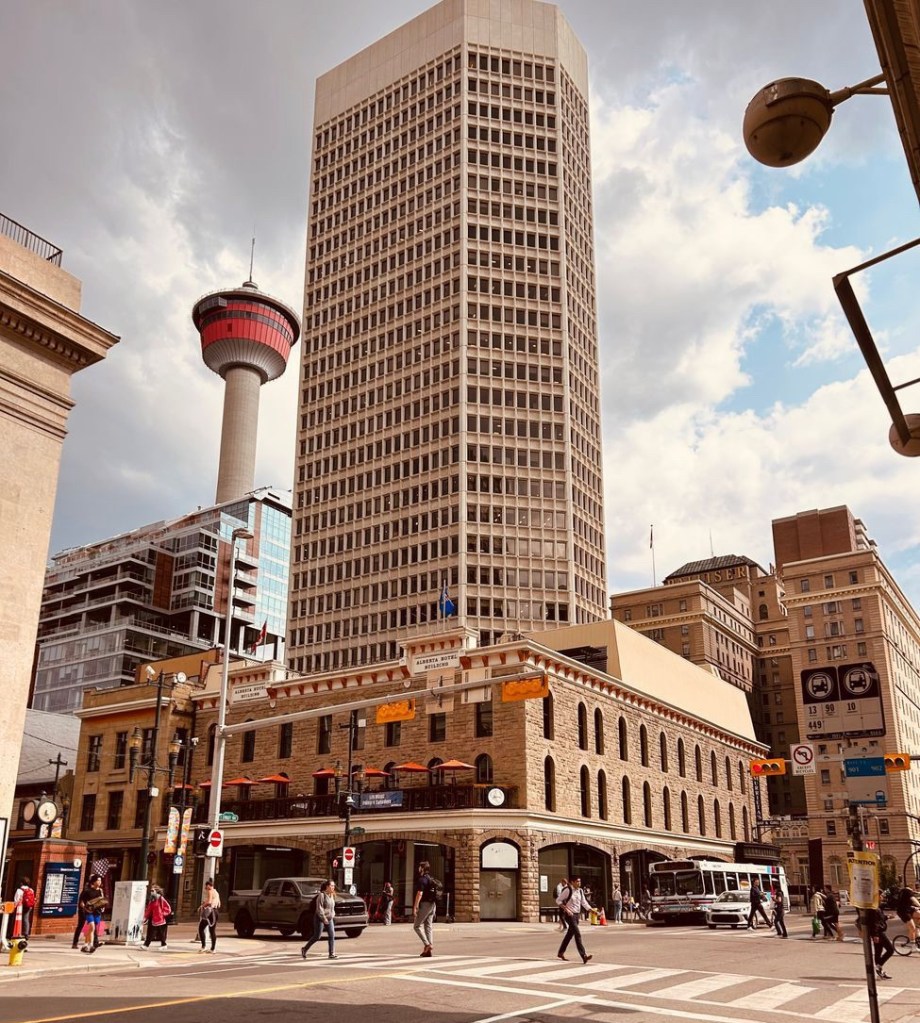
Alberta, near the Rocky Mountains — has a smaller, more relaxed feel than Vancouver or Toronto, and is popular with skiers and outdoor enthusiasts.
Climate: Very cold winters (-20 to -10°C), and even summers stay on the cooler, drier side (16–25°C) — the coldest of the three cities year-round.
Jobs: Fewer opportunities than the bigger cities, mostly in services and construction, though competition has been rising as Calgary grows in popularity.
Cost of living: The most affordable on paper — 1-bedroom listings are quoted at CAD $1,200–1,500/month. Reality check from our own apartment search: expect closer to CAD $1,800 for anything furnished in 2026. Grocery prices are close to what you’d pay in Korea, though eating out is expensive.
Health insurance: The Alberta Health Care Insurance Plan (AHCIP) is free for Working Holiday visa holders — no waiting period, no separate private plan required (though optional private coverage is still available).
Best for: Couples or budget-conscious travelers who want lower upfront costs, access to nature, and don’t mind a harder job search or colder winters.
So Which One Did We Choose?
Calgary.
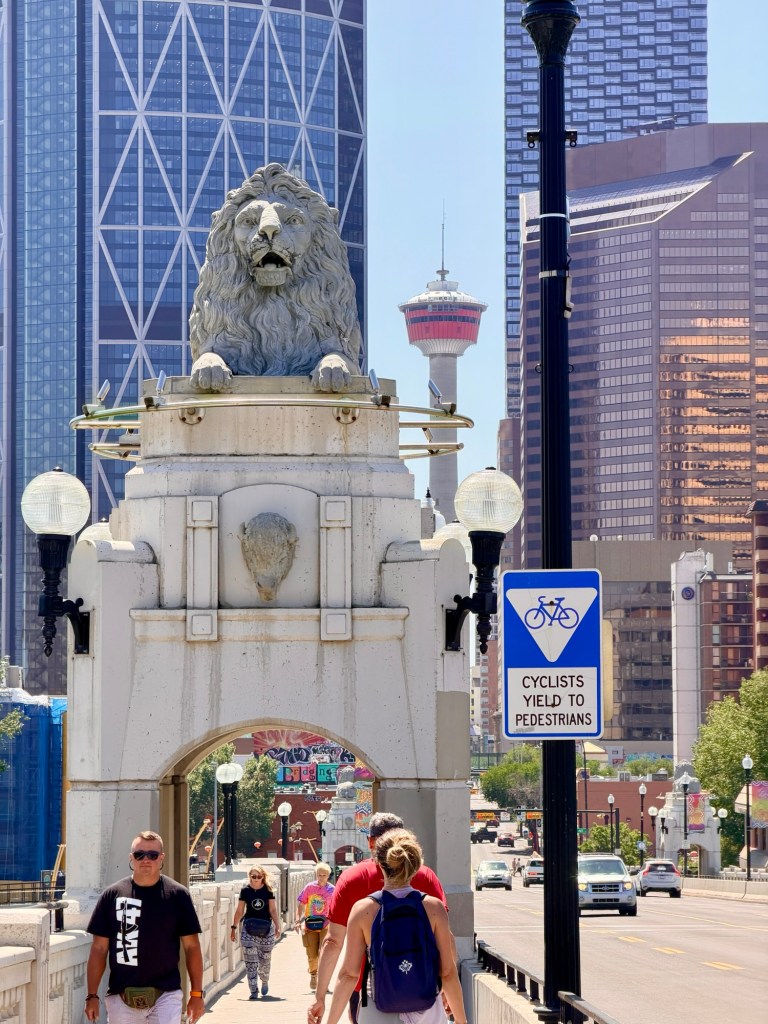
Honestly, we assumed we’d end up in Vancouver at first — but our situation is different from most solo Working Holiday travelers, so take this with a grain of salt:
- We wanted stronger health insurance coverage in case of pregnancy or other unexpected situations
- Being near mountains was a personal plus (mountains just make me happy)
- I’ll be continuing freelance work from Korea, so “lots of local job openings” mattered less than “lower cost of living for two people”
- My partner may start a business here, so a province with lower taxes mattered a lot
Our flight out is booked for April 29, 2025.
Next up: our flight booking story — how we found the best route and what we’d do differently.
Planning your own Canada Working Holiday? A few things worth sorting out before you land:
- Private health insurance to cover any gap before your provincial plan kicks in
- A low-fee way to move money between Korea and Canada for rent, deposits, and daily expenses
We’ll be covering both in upcoming posts as we go through the process ourselves.



Leave a comment