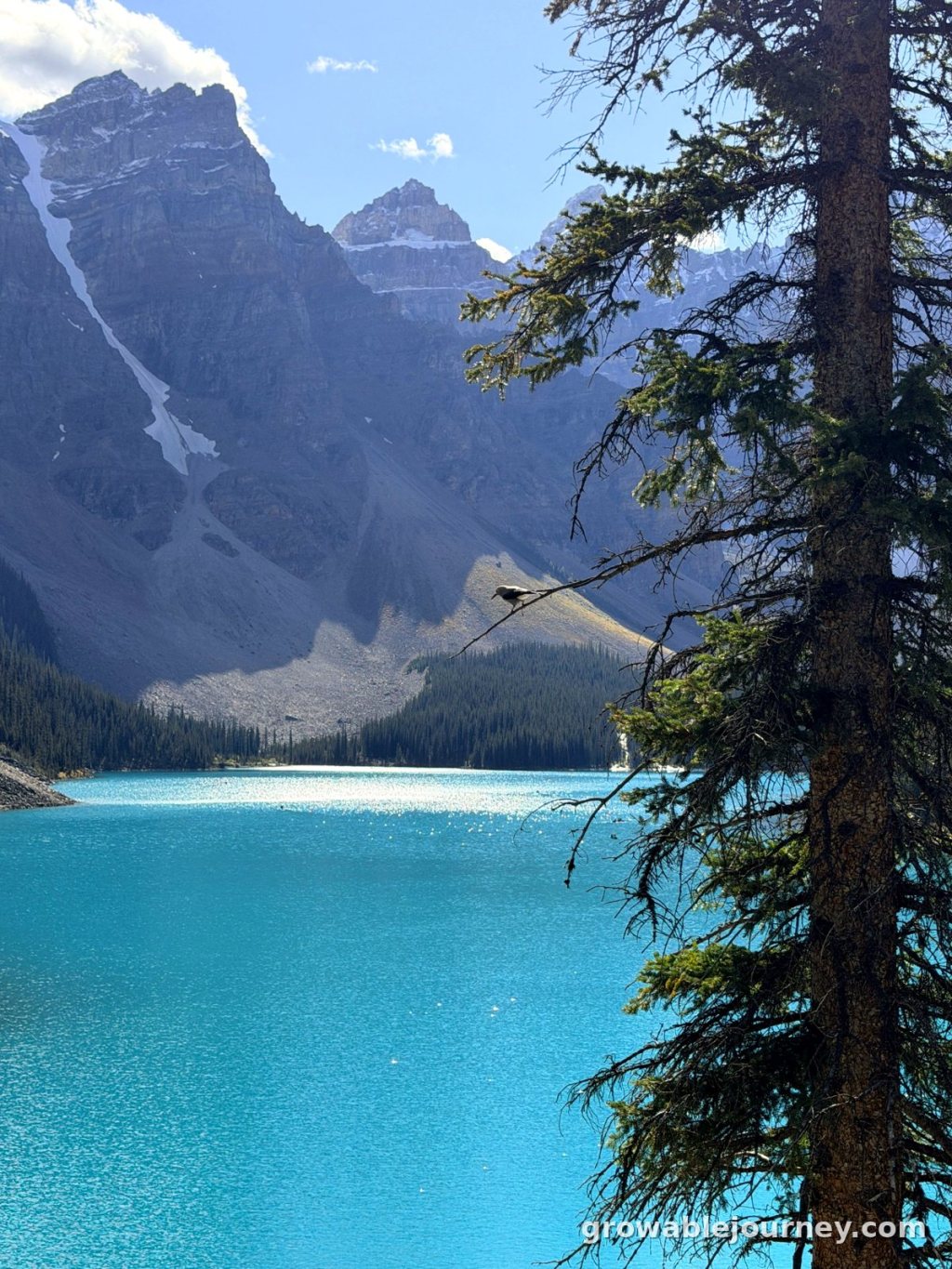
Planning a first trip to the Canadian Rockies and wondering how to fit Banff, Lake Louise, Calgary and the dinosaur badlands into one week? This is the exact 7-night, 8-day route I took with my mom in spring, plus a few winter stops I added later while living in Calgary on a working holiday. It runs east → west → south, so you never backtrack, and it only uses two bases: Calgary and Canmore.
All prices below were checked for the 2026 season. Rockies rules (parking, shuttles, passes) change almost every year, so I’ve noted where you should double-check before you go.
The 7-Day Banff & Calgary Itinerary at a Glance
| Day | Where | Highlights | Sleep in |
|---|---|---|---|
| 1 | Calgary | Arrive, Stephen Avenue, Calgary Tower | Calgary |
| 2 | Drumheller (day trip) | Royal Tyrrell Museum, Hoodoos, Horseshoe Canyon | Calgary |
| 3 | Lake Louise & Moraine Lake | Two iconic lakes, Banff town in the evening | Canmore |
| 4 | Icefields Parkway & Banff | Peyto Lake, Johnston Canyon or Banff Upper Hot Springs | Canmore |
| 5 | Canmore & Kananaskis | Grassi Lakes hike, Kananaskis scenic drive | Calgary |
| 6 | Calgary | Heritage Park, Chinook Centre | Calgary |
| 7 | Calgary | CrossIron Mills outlet shopping, last dinner | Calgary |
| 8 | Calgary | Fly home | — |
Why This Route Works
- Fly into Calgary (YYC), not Banff. Banff has no commercial airport. Calgary is about 1.5 hours by car to Banff and 1.5 hours to Drumheller, so it’s the natural hub.
- Stay in Canmore instead of Banff town. It’s 20 minutes from Banff, usually cheaper, quieter, and sits right next to Kananaskis.
- Go east first. Drumheller is in the opposite direction from the mountains. Doing it on Day 2 means the rest of the trip flows west and then loops back south through Kananaskis.
- Rent a car. Public transit exists (Roam buses, Parks Canada shuttles), but Drumheller, Peyto Lake and Kananaskis are really only practical by car. If you don’t drive, a day tour from Calgary or Banff is the easiest alternative.
Day 1 — Arrive in Calgary: Stephen Avenue & Calgary Tower
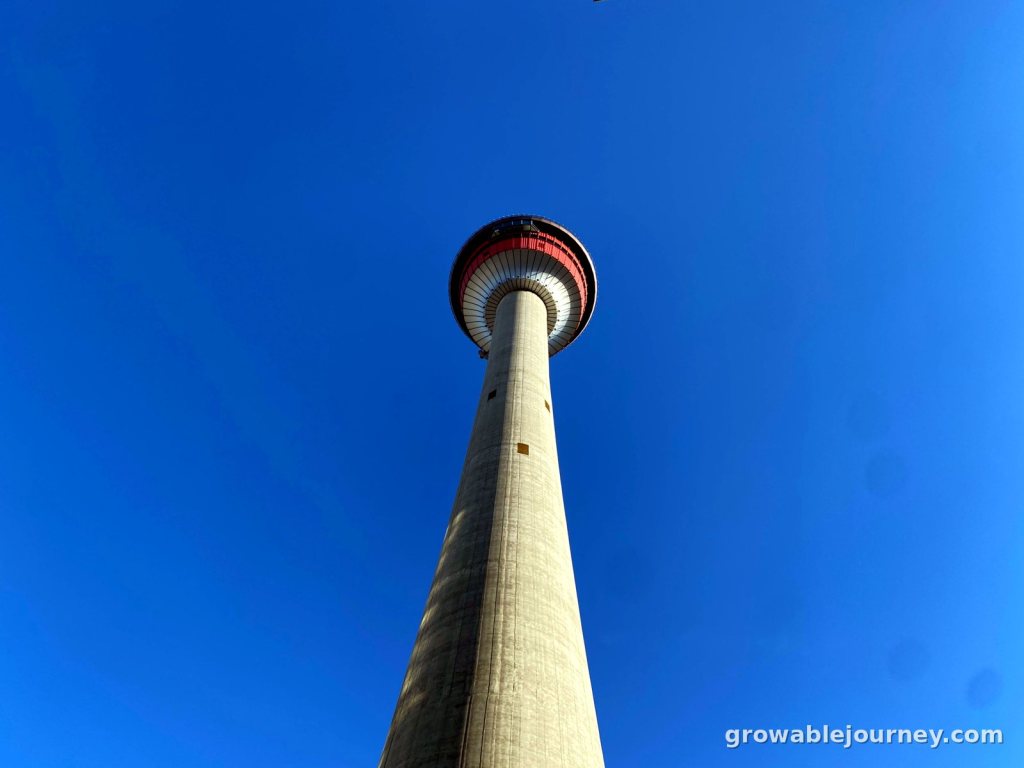
Arrival day should be easy. Check in, then walk Stephen Avenue (8th Ave SW), the pedestrian street downtown with restaurants and patios. From there it’s a short walk to the Calgary Tower, the city’s 191 m landmark. The observation deck has a glass floor section and on a clear day you can see the Rockies on the western horizon — a nice preview of what’s coming.
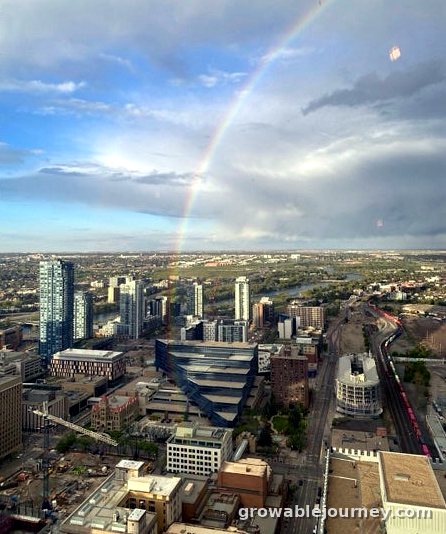
We were lucky enough to catch a rainbow over downtown from the top. Calgary weather changes fast — sun, rain and sun again within an hour — so it’s worth waiting a few minutes up there.
Day 2 — Drumheller Day Trip: Dinosaurs & Badlands
Most first-time visitors skip Drumheller, and honestly that’s a mistake. Ninety minutes northeast of Calgary, the prairie suddenly drops into a canyon of striped badlands that look nothing like the rest of Alberta.
Royal Tyrrell Museum
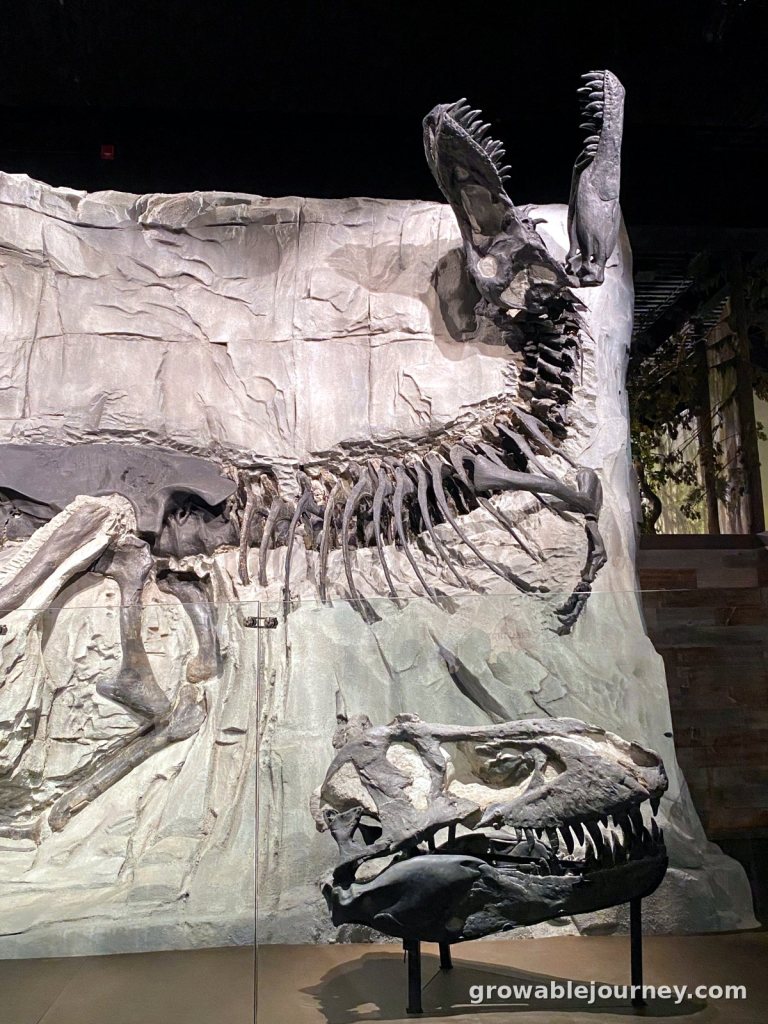
This is one of the best dinosaur museums in the world, and you can easily spend 2–3 hours here. The hall of real fossil skeletons, including tyrannosaurs found in Alberta, is the highlight.
- Admission: about CAD $25 per adult (tax included)
- Summer (May 15 – Aug 31): daily, 9 a.m.–9 p.m.
- Rest of the year (Sep 1 – May 14): Tuesday–Sunday, 10 a.m.–5 p.m. (closed Mondays)
- Closed on some holiday dates in late December and on January 1 — check the official site if you’re going in winter.
Hoodoos & Horseshoe Canyon
After the museum, drive about 15 minutes southeast to the Hoodoos — mushroom-shaped sandstone pillars with harder caprock on top. There’s a short boardwalk; please stay on it, as they erode easily.
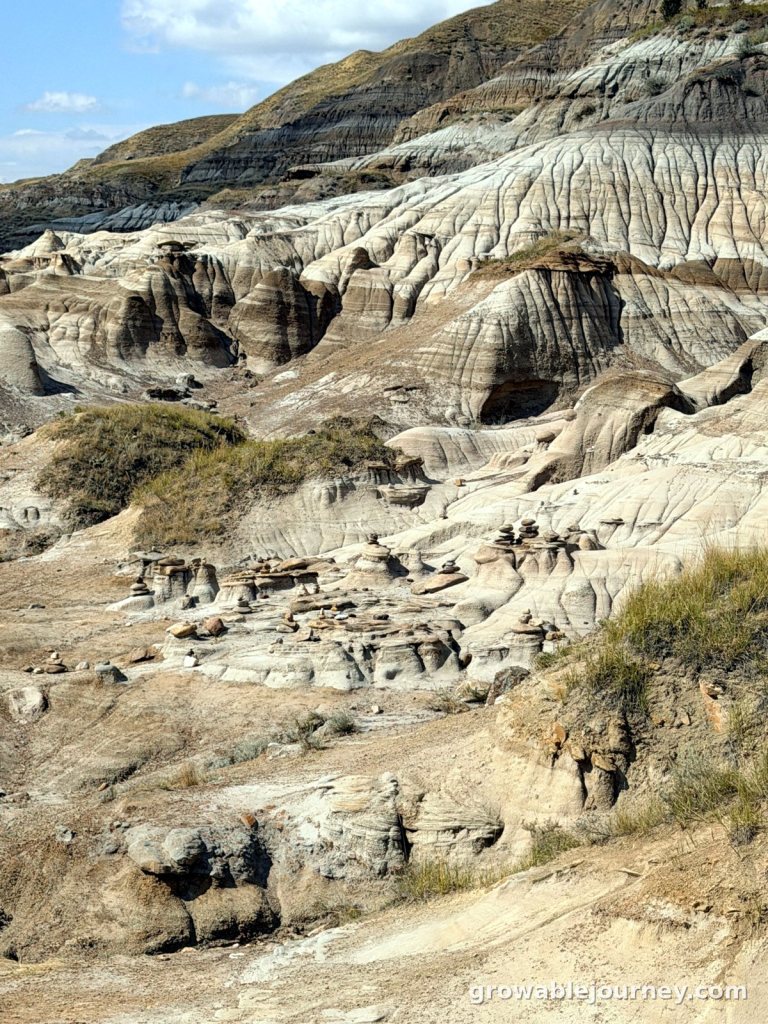
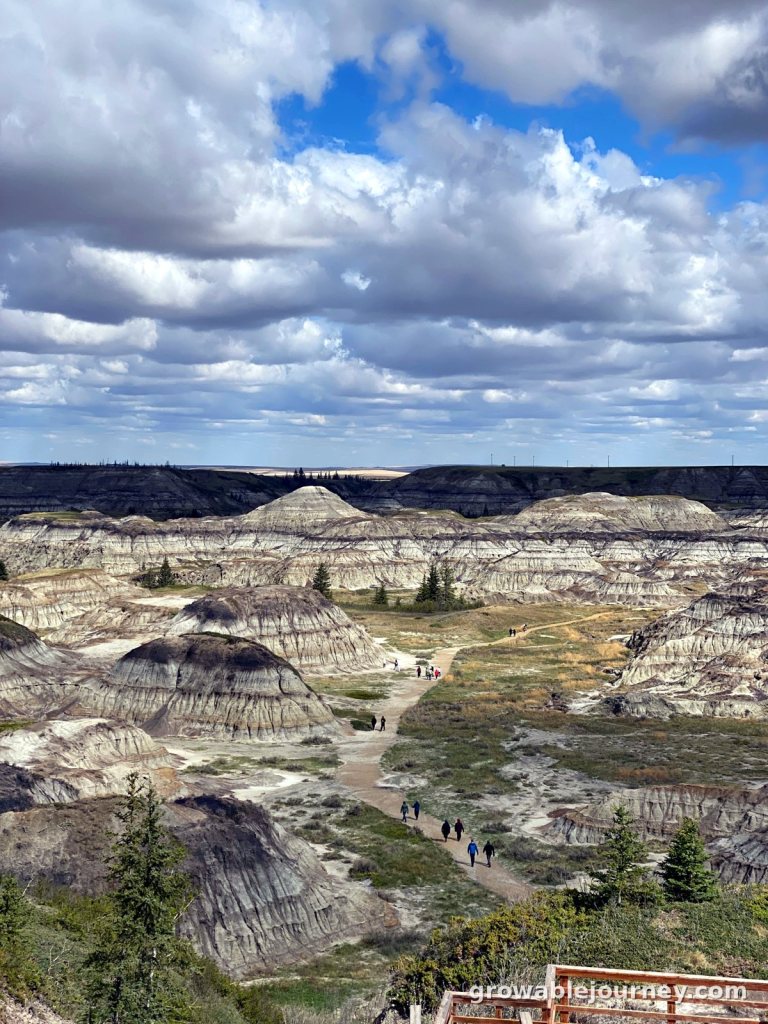
On your way back to Calgary, stop at Horseshoe Canyon, right off Highway 9. It’s free, the viewpoint is steps from the parking lot, and you can walk down into the canyon for a closer look. Wear shoes with grip — the clay gets slippery after rain.
Day 3 — Lake Louise & Moraine Lake
This is the day everyone comes to the Rockies for. Leave Calgary early, pick up your national park pass (you enter Banff National Park just past Canmore), and head straight to the lakes.
Lake Louise
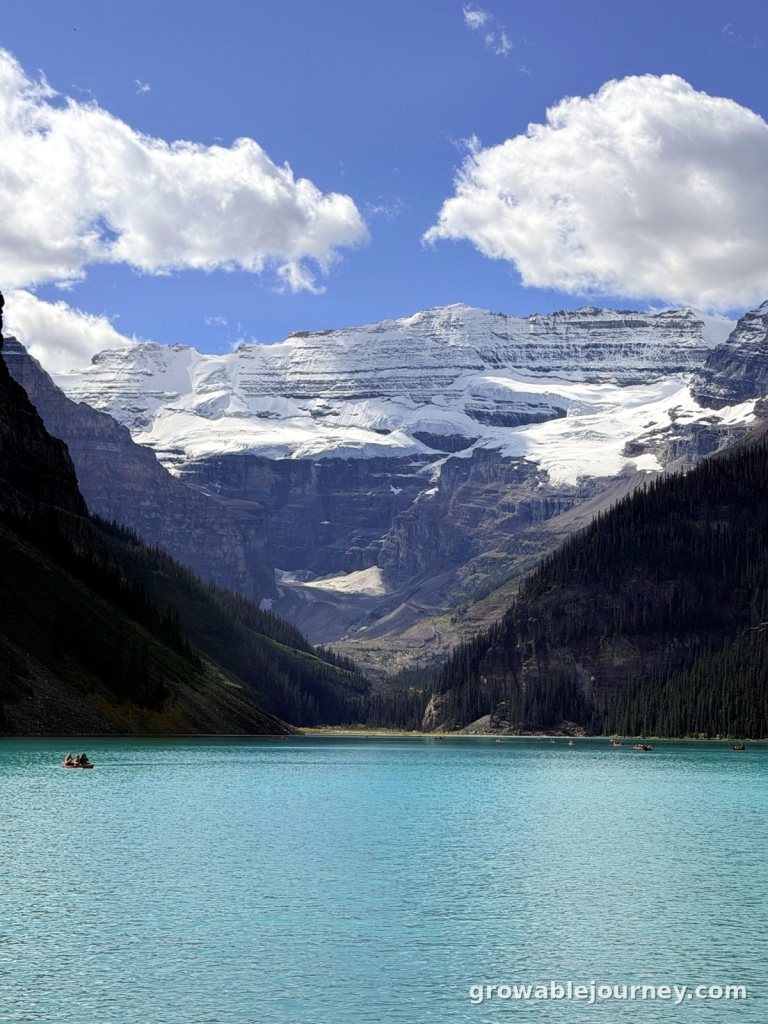
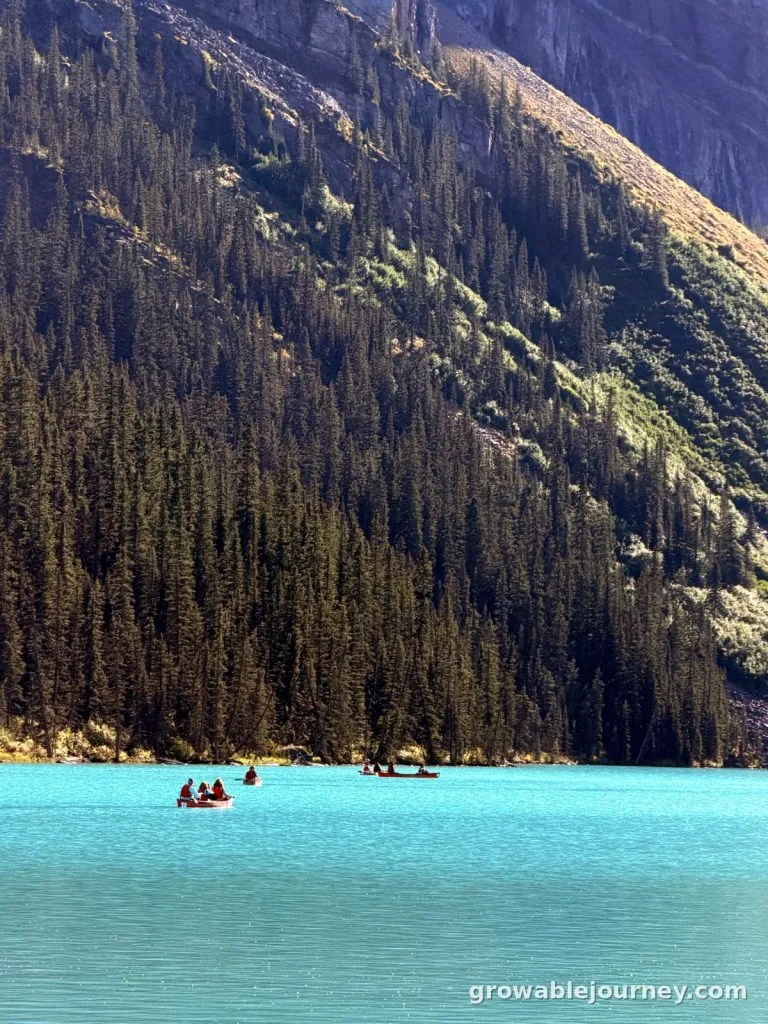
The colour is real — glacial “rock flour” suspended in the water reflects that turquoise. Walk the flat lakeshore trail, and if the budget allows, rent a canoe. It’s expensive, but paddling toward the glacier is the kind of memory you don’t get from the shore.
Even if you’re not staying at the Fairmont Chateau Lake Louise, you can walk into the lobby and lounge areas. The arched windows frame the lake perfectly, and it’s a nice warm break on a cold day.
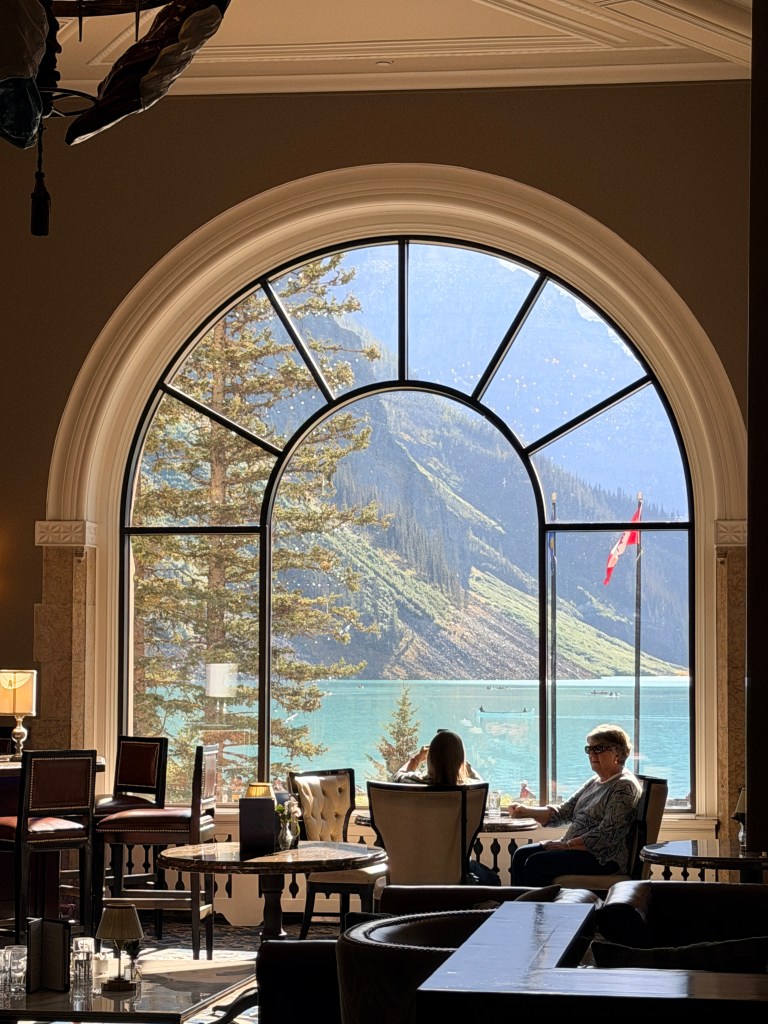
Parking: the Lake Louise lakeshore lot costs CAD $42 per vehicle per day in the paid season (May 15 – Oct 12, 2026), and it fills very early in summer. If you’re also booking the Moraine Lake shuttle, you can leave your car at the Lake Louise Park & Ride for free and ride the shuttle instead.
Moraine Lake
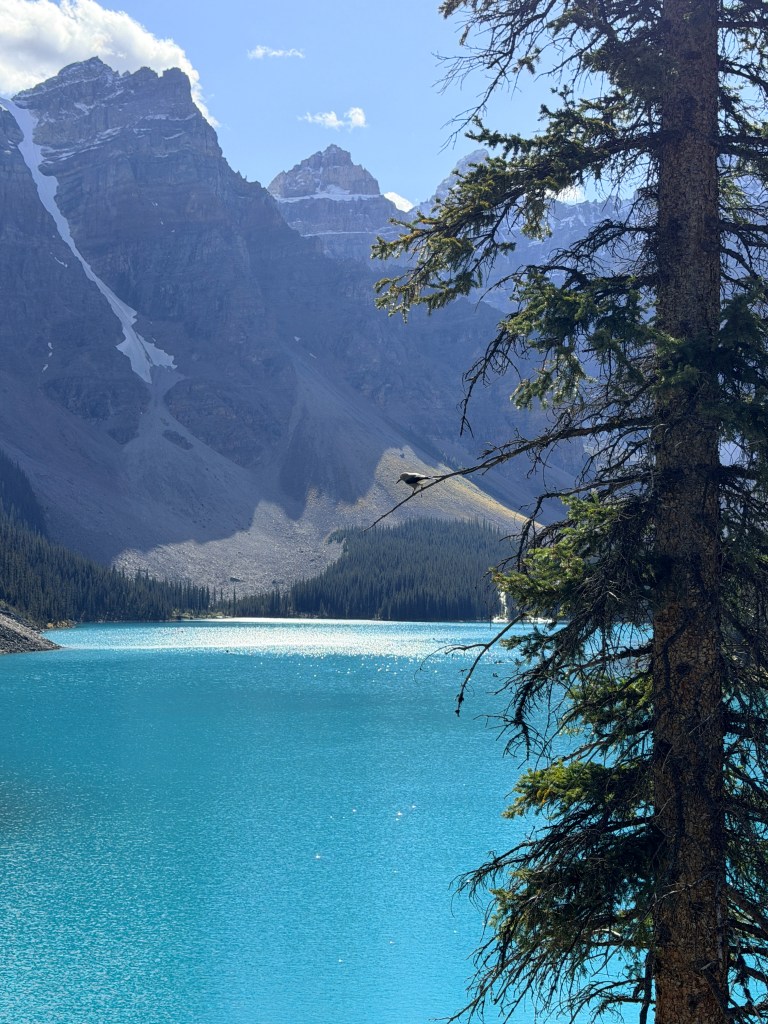
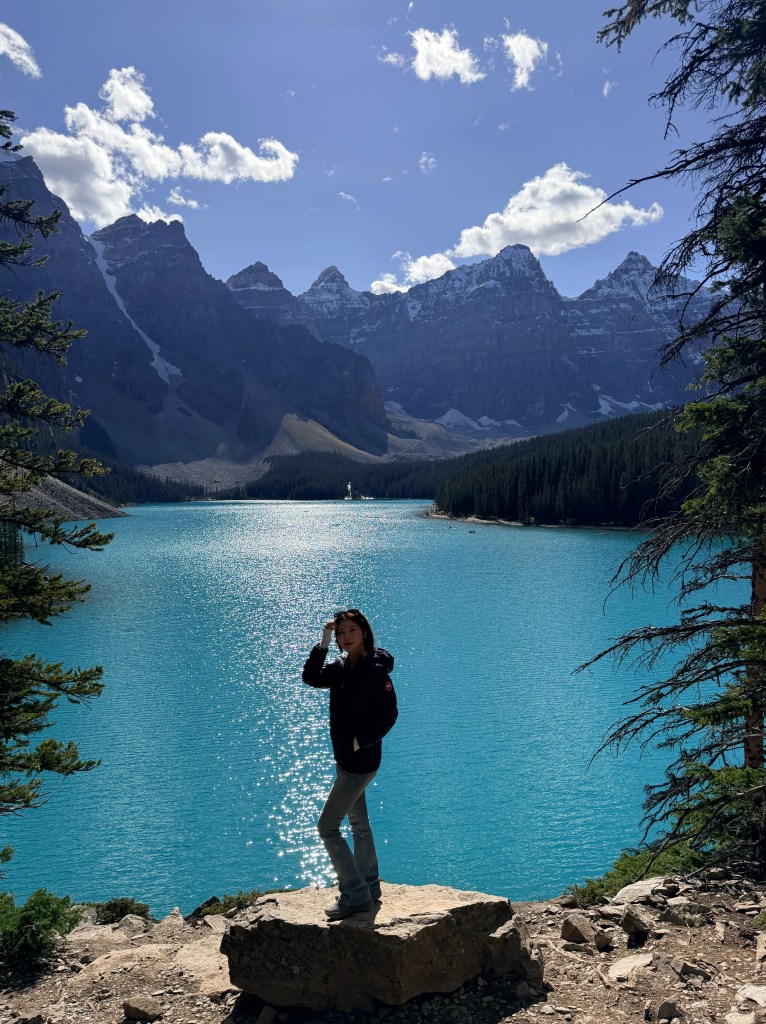
If I could only choose one lake, it would be Moraine. Climb the short Rockpile Trail at the end of the lake for the classic view of the Valley of the Ten Peaks.
Important: you can’t drive your own car to Moraine Lake. The road is closed to personal vehicles year-round. Your options are:
- Parks Canada shuttle — runs June 1 to October 12, 2026. Reservations open in spring (April 15 for 2026), when about 40% of seats are released; the remaining ~60% are released two days before each travel date. There’s a CAD $3.50 online booking fee, and the shuttle ticket does not include your park pass.
- Licensed tour operators / commercial shuttles — handy if Parks Canada seats are sold out, or if you want a sunrise slot.
- Biking or walking the road is allowed, but it’s a long uphill ride.
In the evening, drive back toward Canmore and stop in Banff town for dinner and a walk along Banff Avenue. If you’re driving and want to avoid paid parking there, see my free parking in Banff guide.
Day 4 — Peyto Lake, Johnston Canyon or the Hot Springs
Pick one or two depending on energy and weather.
Peyto Lake (Icefields Parkway)
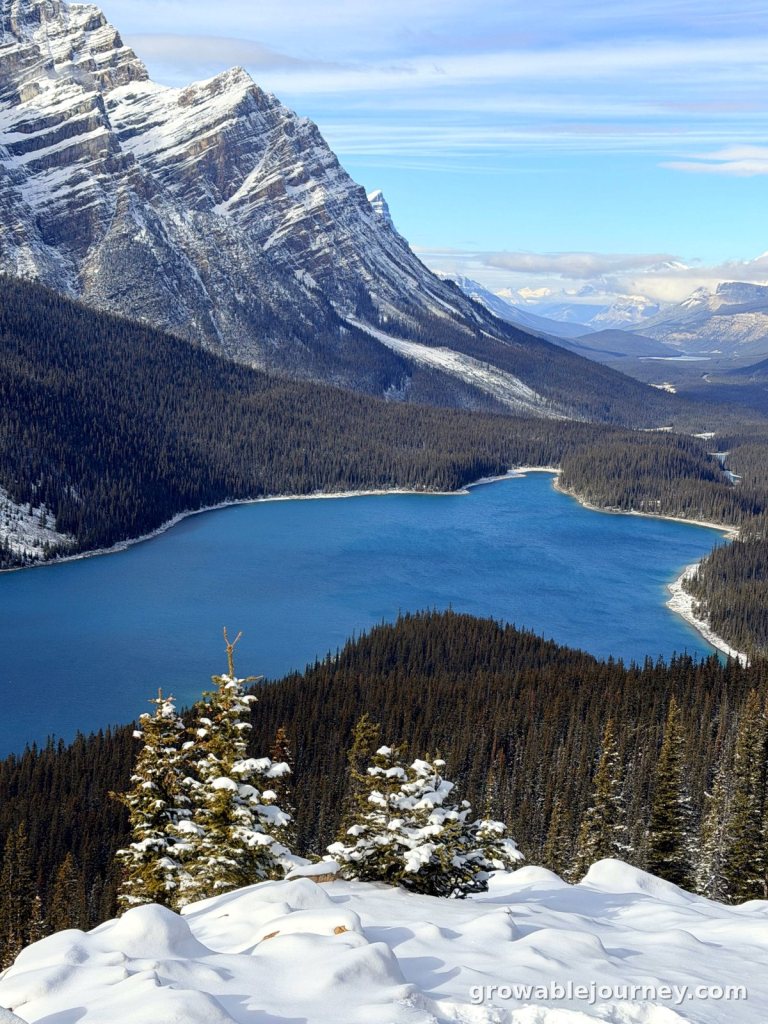
About 40 minutes north of Lake Louise on the Icefields Parkway, Peyto Lake is famous for its wolf-head shape when seen from the viewpoint above. In summer it’s bright blue; I went back in winter and found it frozen white and almost silent — a completely different but equally beautiful place. In winter, check road conditions before driving the Parkway and bring proper winter tires.
Johnston Canyon
Between Banff and Lake Louise on the Bow Valley Parkway, Johnston Canyon is an easy walk on catwalks bolted to the canyon wall. The Lower Falls are about 1.2 km in, the Upper Falls about 2.6 km. In winter the waterfalls freeze and it becomes an icewalk — bring ice cleats (microspikes); the trail gets very slippery.
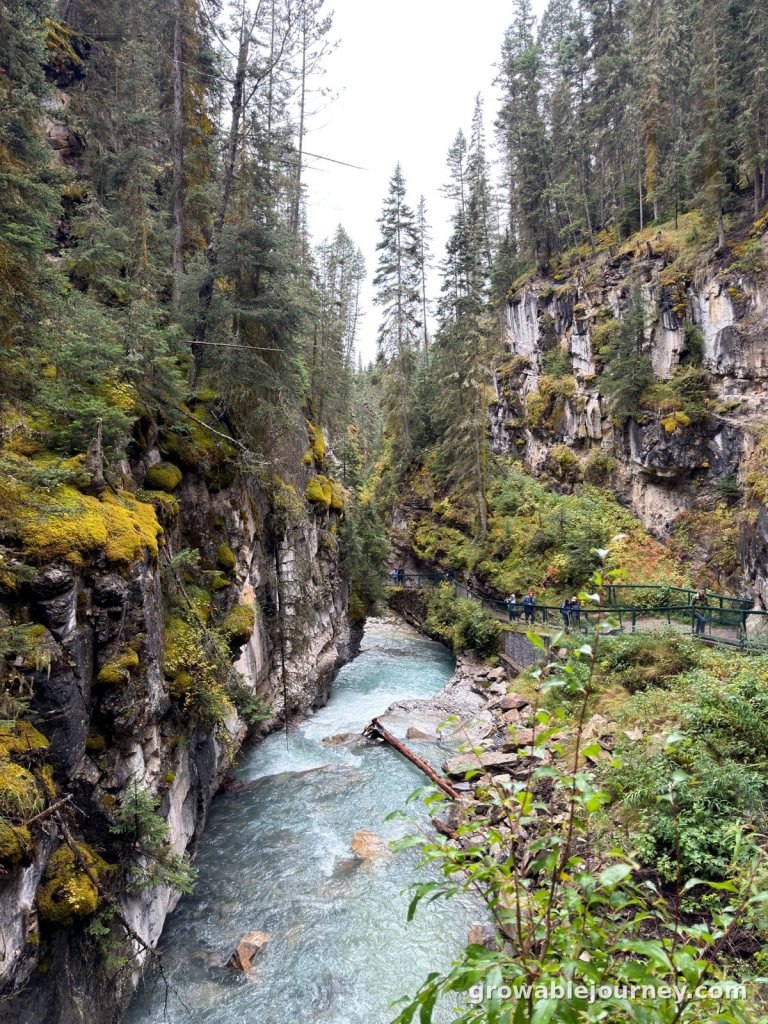
If it’s raining or you just need a rest day, Banff Upper Hot Springs is the low-effort option — a hot pool with mountain views right above Banff town.
Day 5 — Canmore & Kananaskis
Start the morning with Grassi Lakes in Canmore, a short hike (about 4 km return) to two small lakes so clear they look emerald. It’s one of the best effort-to-reward hikes in the area and very doable for parents and kids.
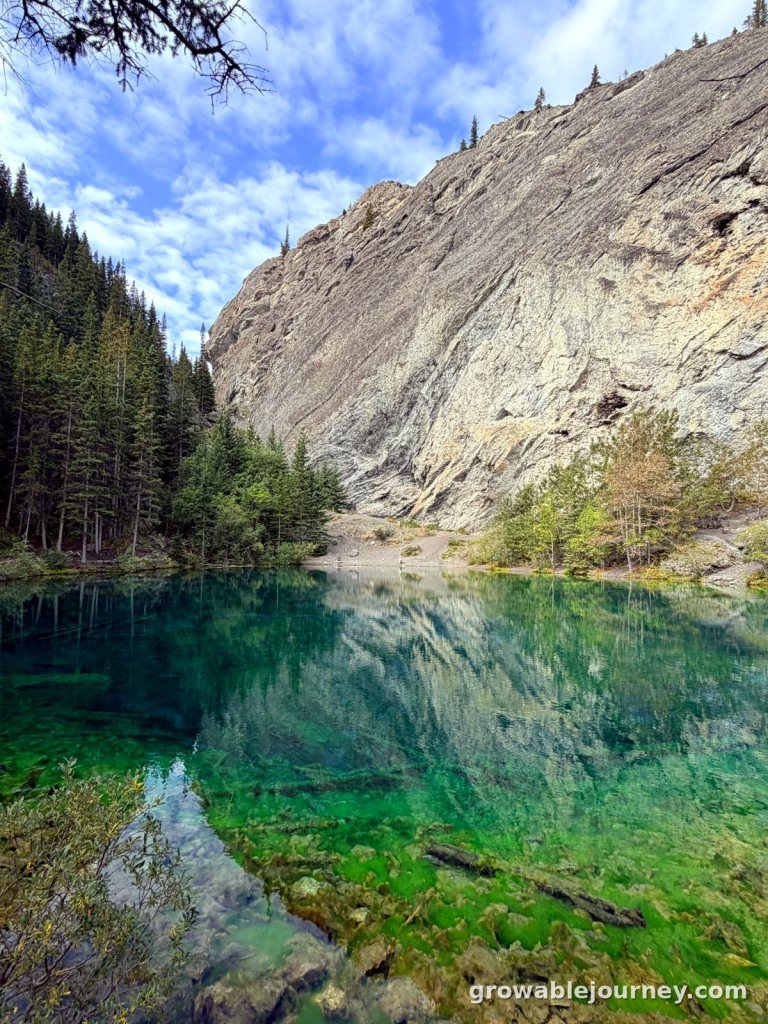
Then drive back to Calgary through Kananaskis Country (Highway 40) instead of the Trans-Canada. It’s quieter than Banff, with lakes and wildlife along the road.
Note: Kananaskis is run by Alberta Parks, not Parks Canada, so your national park pass does not cover it. You need a separate Kananaskis Conservation Pass — CAD $15 per vehicle per day or $90 per year. Buy it online before you go.
Day 6 — Heritage Park & Chinook Centre
Heritage Park Historical Village is Canada’s largest living-history museum: a recreated pioneer town with a steam train, paddlewheeler, antique midway rides and staff in period costume. My mom loved the horse-drawn wagon ride. Admission includes the rides.
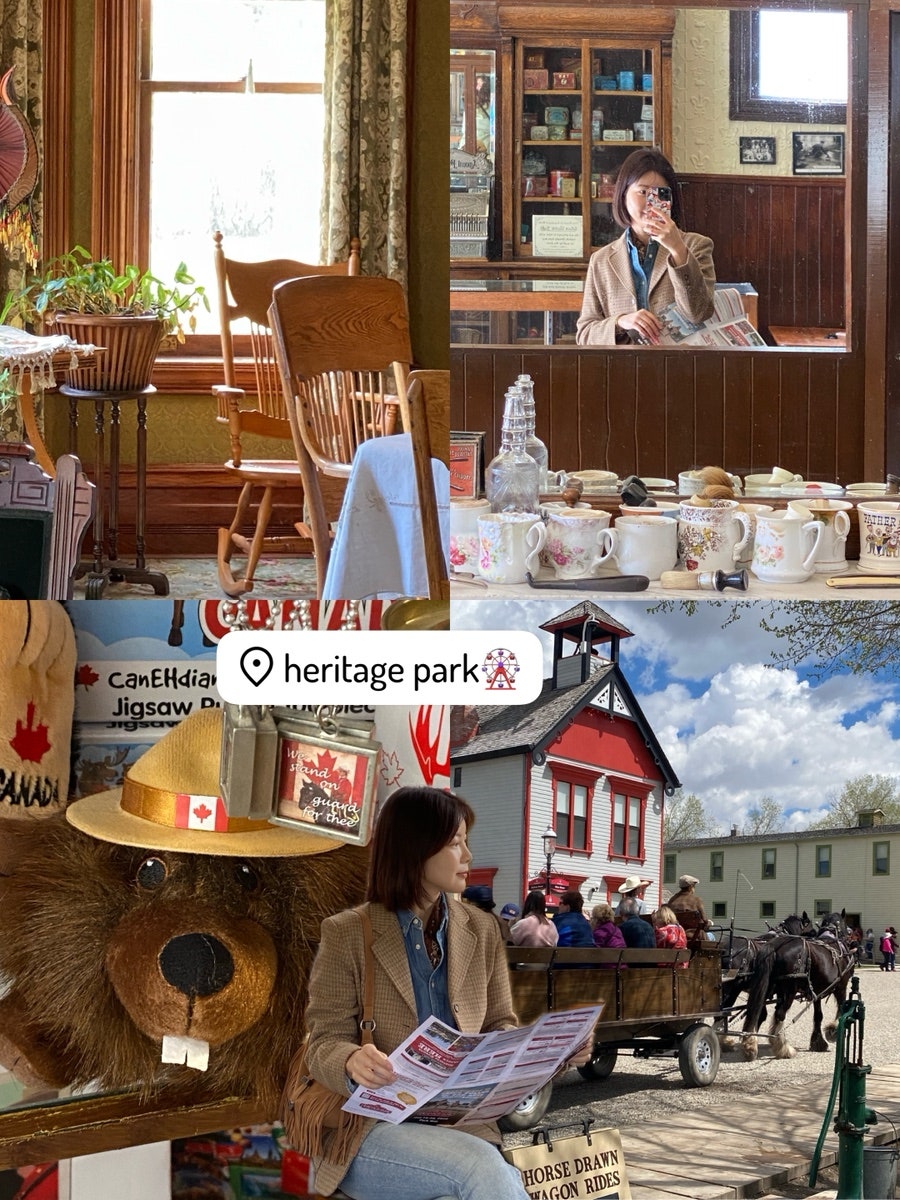
- Season: the full village is open daily from mid-May to late August (May 16 – Aug 30 in 2026), then weekends until Thanksgiving (Oct 12). It’s closed in winter apart from special events.
- Tickets: prices change by season and are cheaper online — check the official Heritage Park website before you go.
In the afternoon, Chinook Centre is Calgary’s biggest mall and an easy place to pick up anything you forgot.
Day 7 — CrossIron Mills & Last Night in Calgary
CrossIron Mills, just north of the city and about 15 minutes from the airport, is the big outlet mall. Alberta has no provincial sales tax — you only pay the 5% GST — so shopping here is cheaper than in most of Canada. Save this for your last full day so you don’t have to carry bags around the mountains.
Day 8 — Departure
Return the rental car and fly out of YYC. Calgary has direct flights to major hubs across North America, Europe and Asia; if you’re connecting internationally, Vancouver is the usual transfer point.
❄️ Doing This Trip in Winter?
The route still works from November to April, with a few swaps:
- Moraine Lake is not accessible — the road is closed and the shuttle doesn’t run. Spend more time at Lake Louise instead (skating on the frozen lake is magical).
- Heritage Park is closed for the season. Swap in the Calgary Zoo or a museum day.
- Royal Tyrrell Museum is on reduced hours (closed Mondays).
- Johnston Canyon becomes an icewalk — bring cleats.
- Add a ski day! See my Banff ski resorts comparison for 2026/27 and my Lake Louise Ski Resort review.
Before You Go: Quick Checklist
- Parks Canada pass — required for every day you’re inside Banff National Park (Days 3–4 on this route, plus any night you sleep in Banff town). 2026 day pass: CAD $12.25 per adult or $24.50 per family/group (up to 7 people in one vehicle).
- Kananaskis Conservation Pass — separate, CAD $15/day per vehicle.
- Moraine Lake shuttle — book the moment your dates open, or plan on the 48-hour release.
- Lake Louise parking — CAD $42/day in summer; arrive before 7 a.m. or use the Park & Ride.
- Layers — even in July, mornings at the lakes can be close to freezing.
- Wildlife — never stop on the highway for animals; use pullouts and stay in your car.
Seven days won’t let you see everything in the Rockies, but this route gives you the lakes, the badlands and a real feel for Calgary without spending your whole trip in the car. If you have questions about the route, leave a comment — I live in Calgary and I’m happy to help.


Leave a Reply